


The Allure of Risk and Reward
Casino gambling captivates millions around the globe, creating an irresistible draw that often keeps players returning for more. At the core of this phenomenon is the concept of risk and reward, an essential element in the psychology of gambling. When individuals place bets, they engage in a calculated risk that feeds into the thrill of potential gain. This anticipation stimulates the brain’s reward system, releasing dopamine and creating a euphoric sensation when a win occurs. The rise of online platforms has introduced players to a variety of options, even including crypto casinos, which add a new layer of excitement to the experience.

The prospect of winning significant amounts of money—even if the odds are slim—fuels a compelling desire to gamble. Even small victories can reinforce this behavior, prompting players to chase the next win. This cyclical pattern of gambling behavior is enhanced by the intermittent reinforcement schedule, where rewards are given irregularly, maintaining engagement and excitement over time.
The Role of Escape and Entertainment
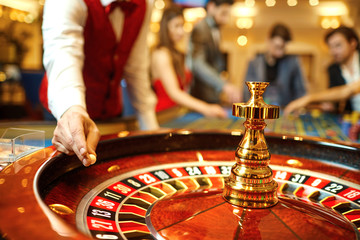
Many people turn to casinos as a form of escape from daily life. The immersive nature of casino environments, with their bright lights, engaging sounds, and vibrant atmosphere, fosters a sense of disconnection from reality. For some, gambling serves as a temporary refuge to relieve stress or avoid personal issues. This escapism plays a significant role in why individuals choose to participate in casino activities.
Beyond mere distraction, the entertainment value of gambling cannot be overlooked. The thrill of the game, the social interactions with fellow gamblers, and the engaging games themselves contribute to a unique form of leisure. For many, the experience is about more than just money; it is about enjoyment, socializing, and the shared experience of risk-taking, which can create lasting memories and friendships.
The Illusion of Control
One intriguing aspect of gambling psychology is the illusion of control that many players exhibit. Gamblers often believe they can influence the outcome of games through skill or strategy, especially in games where decisions can be made, such as poker or blackjack. This perception can lead to an increased willingness to gamble and can even result in players developing superstitions around their betting habits.
This belief in control can be misleading, as most casino games are based on chance. However, it creates a psychological crutch that encourages continued play. The illusion of control not only fuels gambling behavior but also provides a sense of empowerment to players, making them feel more invested in the outcome and reinforcing their participation.
The Social Influence of Casino Gambling
Social dynamics significantly influence why individuals gamble. Casinos often serve as social hubs where people can gather, share experiences, and celebrate or commiserate together. This community aspect can make gambling a social norm among certain peer groups, leading to increased engagement among individuals who might not typically gamble alone.
Additionally, the presence of others can amplify excitement and adrenaline levels, enhancing the overall gambling experience. This social reinforcement can create a feedback loop where the desire to fit in and engage with peers motivates individuals to gamble, even if they initially had no intention of doing so.
Ensuring Safety and Security in Online Gambling
As the digital landscape evolves, more players are turning to online casinos for their entertainment. While this shift offers convenience, it is crucial to prioritize safety and security when participating in online gambling. Utilizing robust security measures can help protect personal information and enhance the online gambling experience.
Moreover, platforms like Cloudflare play a significant role in securing online gambling sites from potential threats and ensuring users can enjoy their gaming experiences without fear of security breaches. By fostering a secure online environment, players can focus on the enjoyment of the game and the psychology behind why we play without worrying about external risks.